
1976 Heritage Oak Program Sought to Identify, Track & Protect Old Oaks
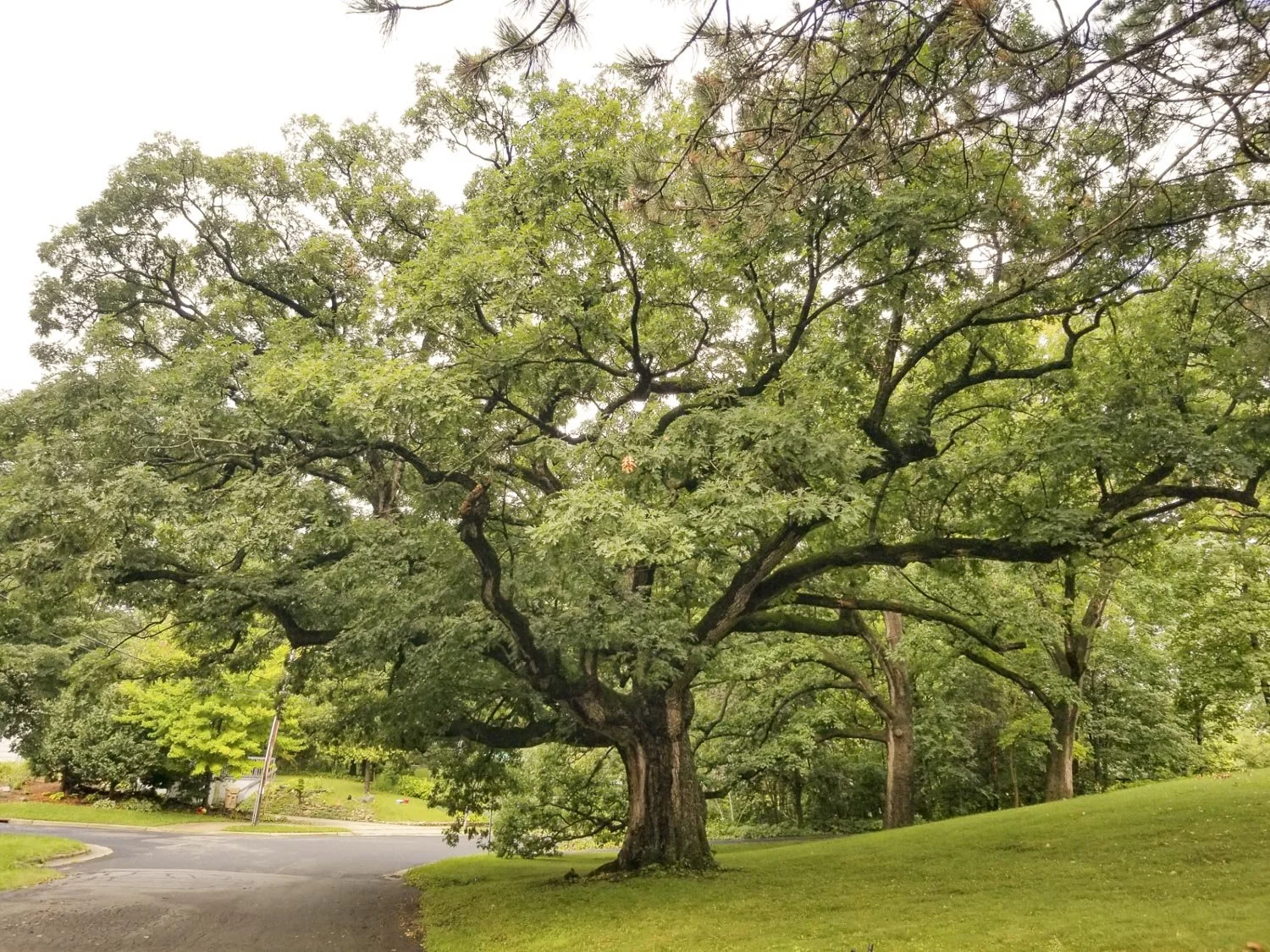
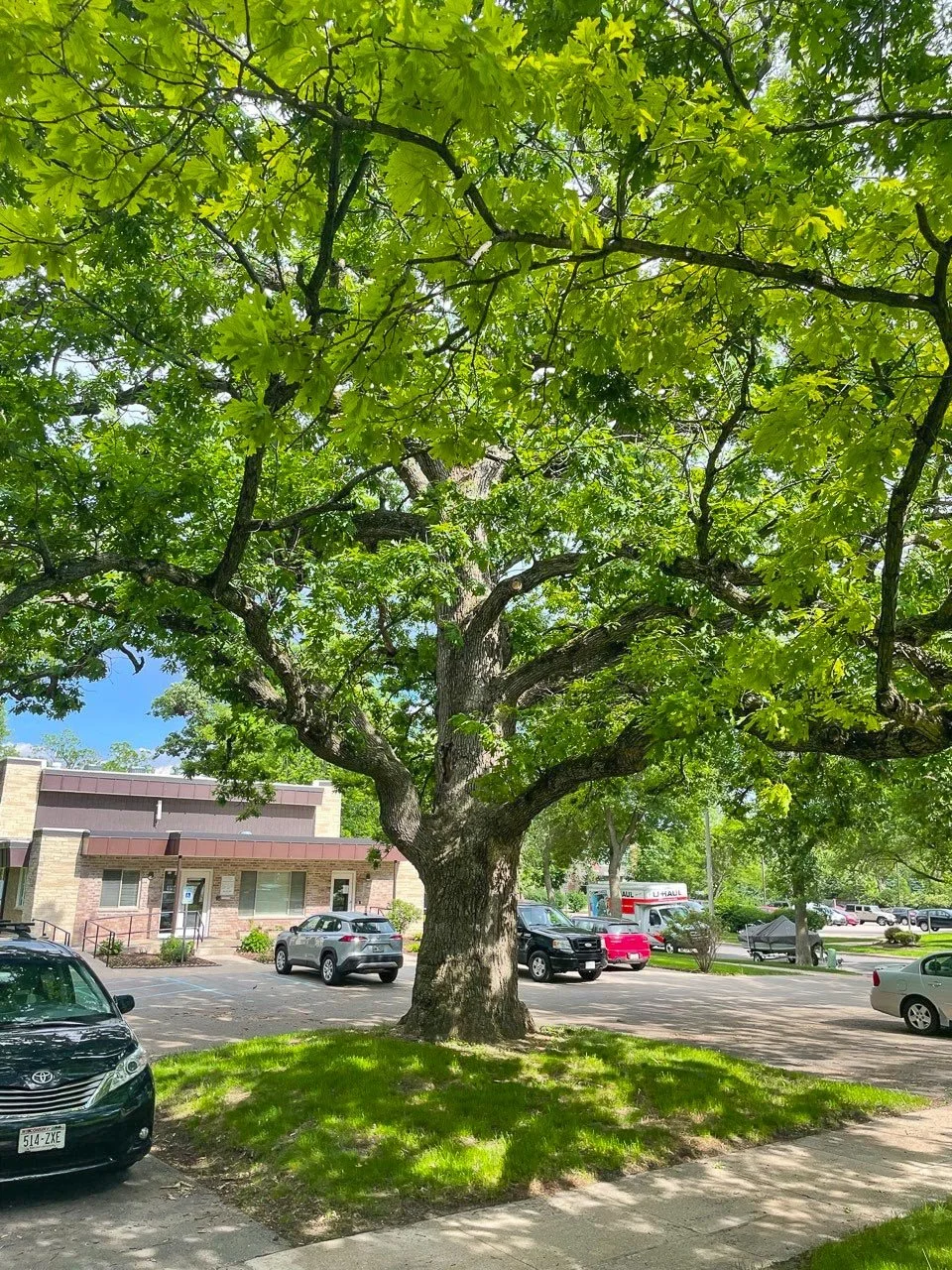
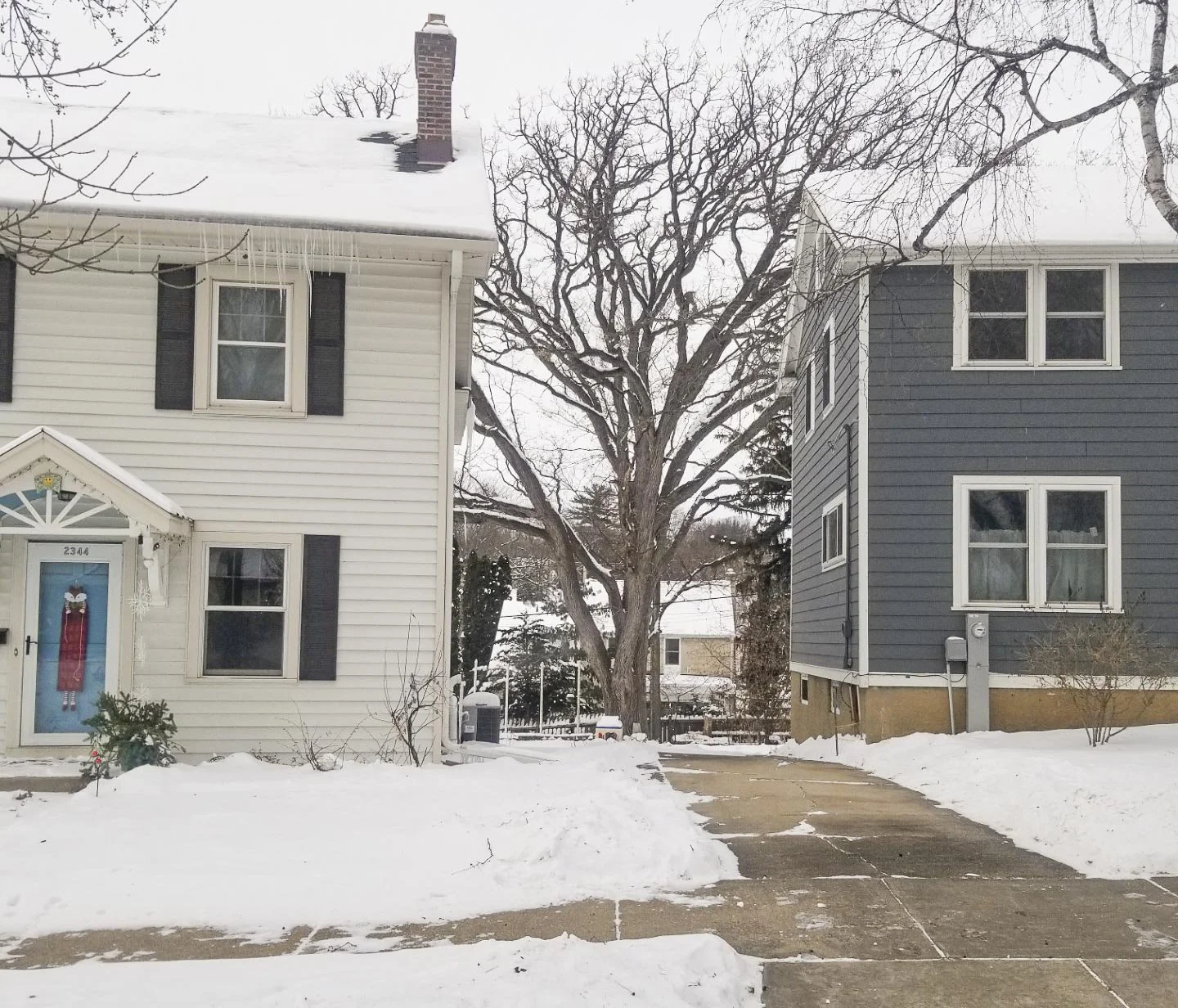
A huge heritage oak tree, over 250 years old, spreads its wide branches on Madison’s west side.
In 1976, Walter Scott, local conservationist, preservationist, writer and assistant to the Wisconsin DNR secretary, wrote in a Capital Times article that old oak trees “are a living link with our past and a challenge for the future.” Scott thereby initiated what is now called the Heritage Oak Project as a nod to both the previously dominant oak communities native to Dane County, and the U.S. Bicentennial of our country’s independence.
Heritage oaks are oak trees estimated to be 200 years old or more. County officials established the following standards to qualify:
White or bur oaks must have a trunk circumference of at least 10 feet, as measured at 4.5 feet above ground level.
Pin, black, and red oaks need a trunk circumference of 11 feet.
With an appeal to newspaper readers and the help of others, the county identified and recorded the measurements and locations of 443 heritage oak trees within an eight-mile radius of the Capitol. Scott offered a copy of the “old oak tree list” for free, including his mailing address in the newspaper article.
Walter Scott’s 1976 article reports on the heritage oak program initiative and the importance of preserving and protecting old oak trees.
A list of the largest reported oaks in Dane County (1976).
Walter Scott’s vision extended forward at least another 100 years, as he stated, “How many (oaks) can we preserve for the Tricentennial in 2076? This would require a determined effort to keep them alive and well, along with a willingness to allow a place for them.”
Oak Preservation and Promotion Efforts Continue
2001 Heritage Oak Inventory
25 years later, arborist Bruce Allison (then of the Dane County Tree Board) made such a determined effort to trace Scott’s footsteps in 2001. He found that approximately half of these oaks remained alive. The other half had either been cut down for new development, died of old age, or simply could not be located due to inaccurate location descriptions. When Allison took inventory of the oaks, he used GPS technology to log their exact location to make future work easier.
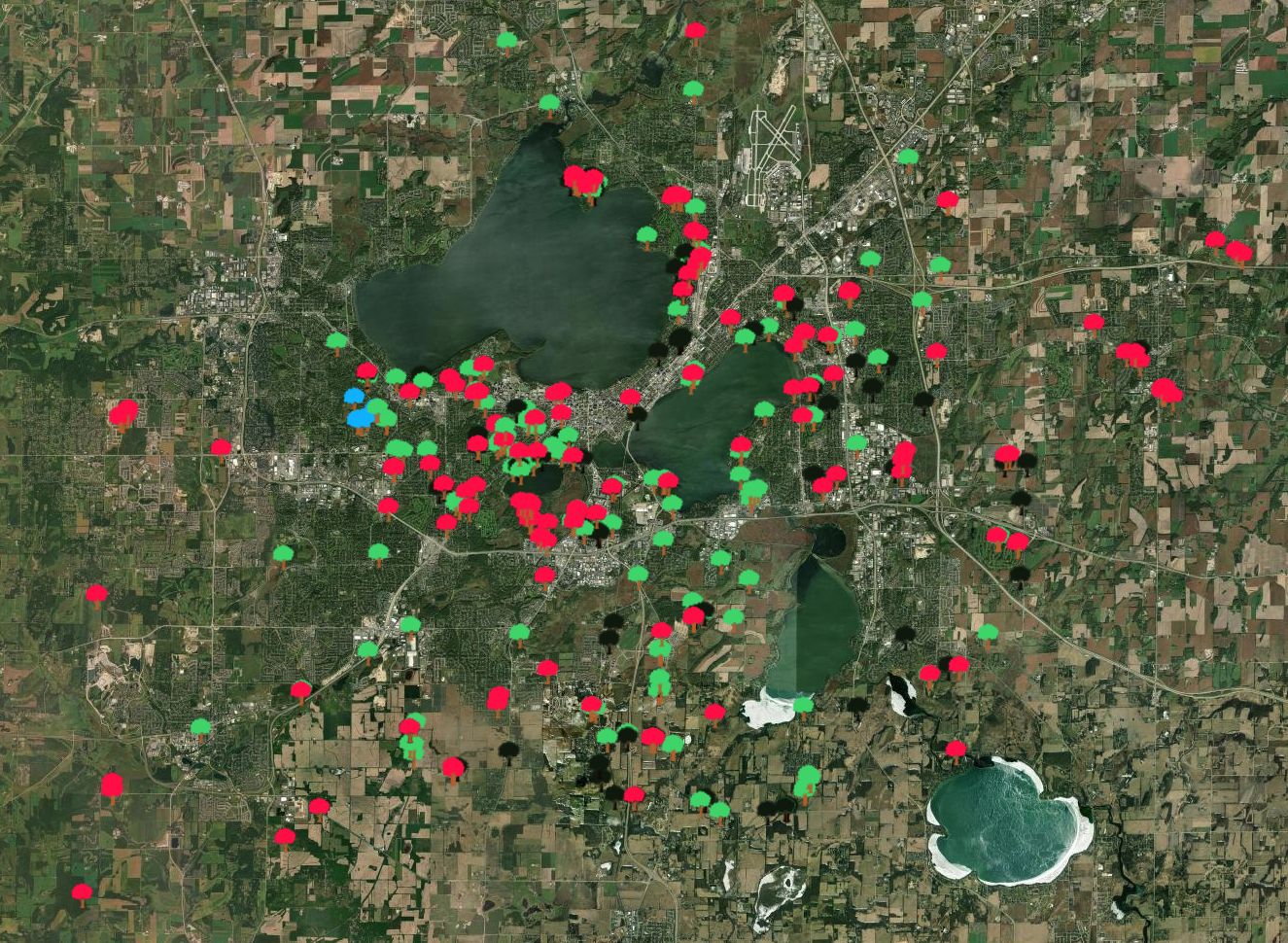
2022 online Heritage Oak map shows historic heritage oaks in green, newly reported trees in red, and trees no longer present in black. Citizens (i.e. you) can add photos and updates!
2022 Inventory Accompanied by New Online Interactive Map
50 years since Walter Scott conducted his survey, and the Dane County Tree Board, the Capital Area Regional Planning Commission (CARPC) and the University of Wisconsin State Cartographer’s Office have completed a third round of inventorying what remains of the original list of oaks. These oaks are now at least 250 years old!
In 2022, CARPC continued the heritage oak inventory. It published an online map of Dane County heritage oaks, which allows citizens to add photos, measurements and other updates to existing heritage oak trees, and add new heritage oak trees not included thus far. (Citizens must obtain permission to access any heritage oaks located on private property.)

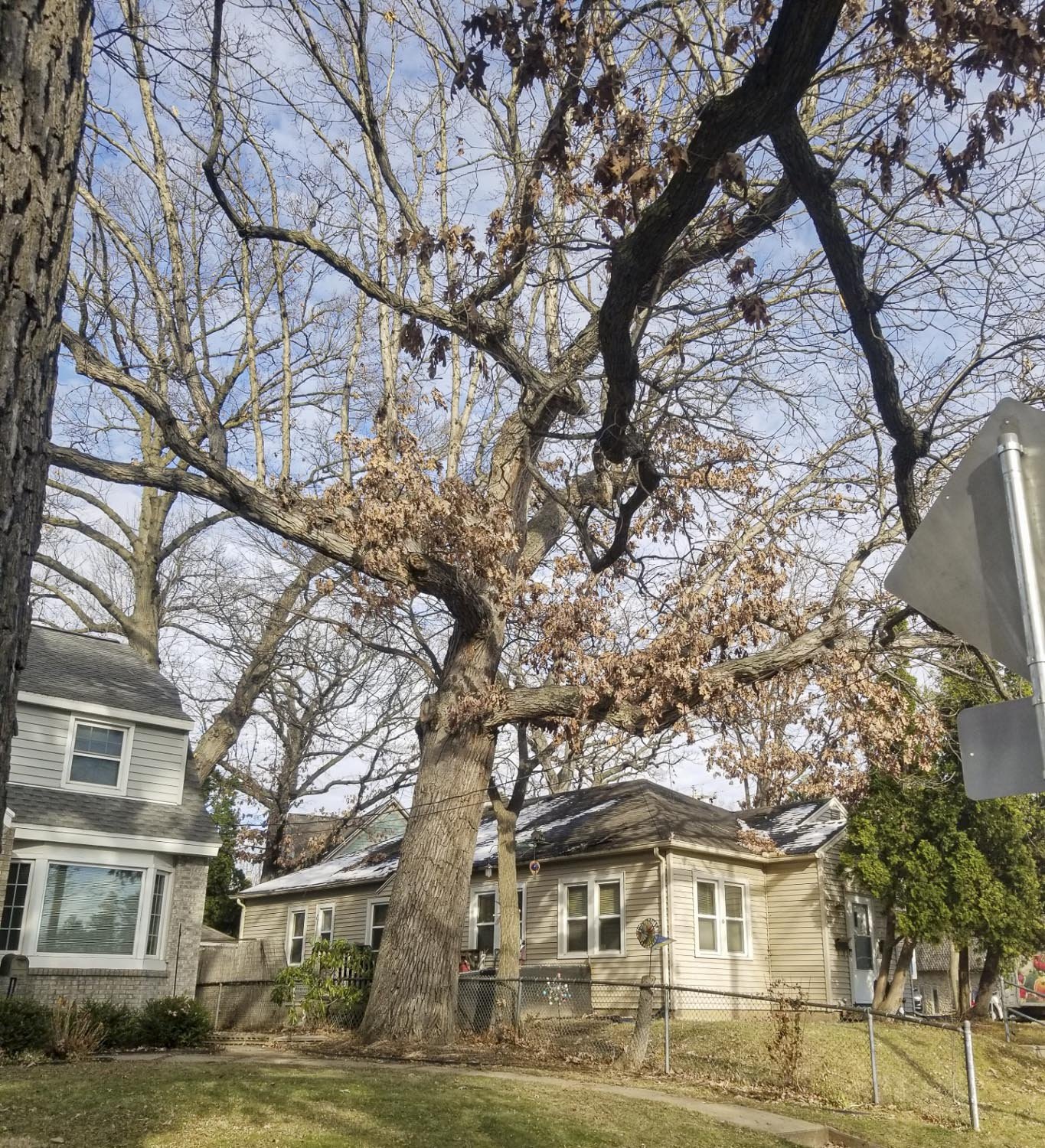
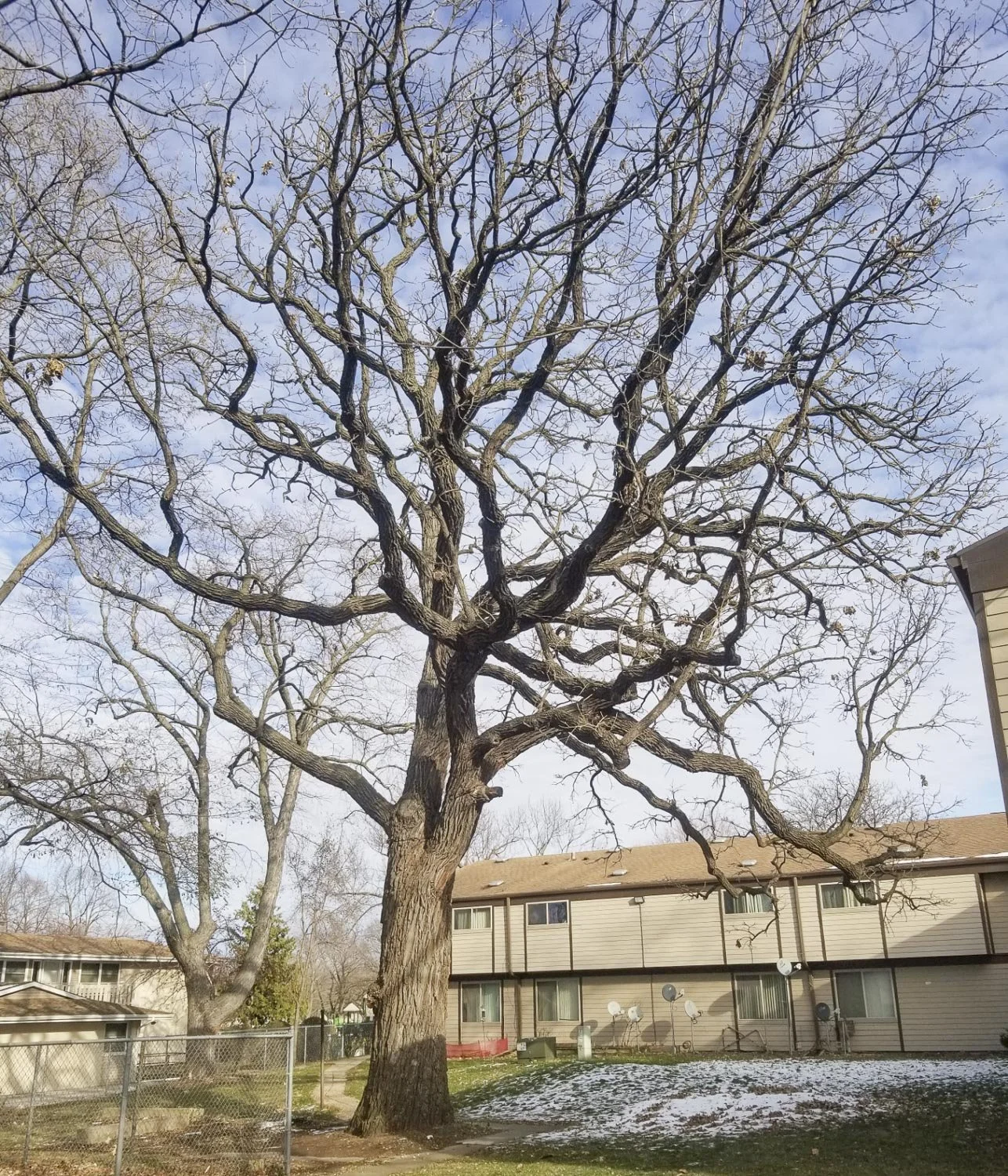
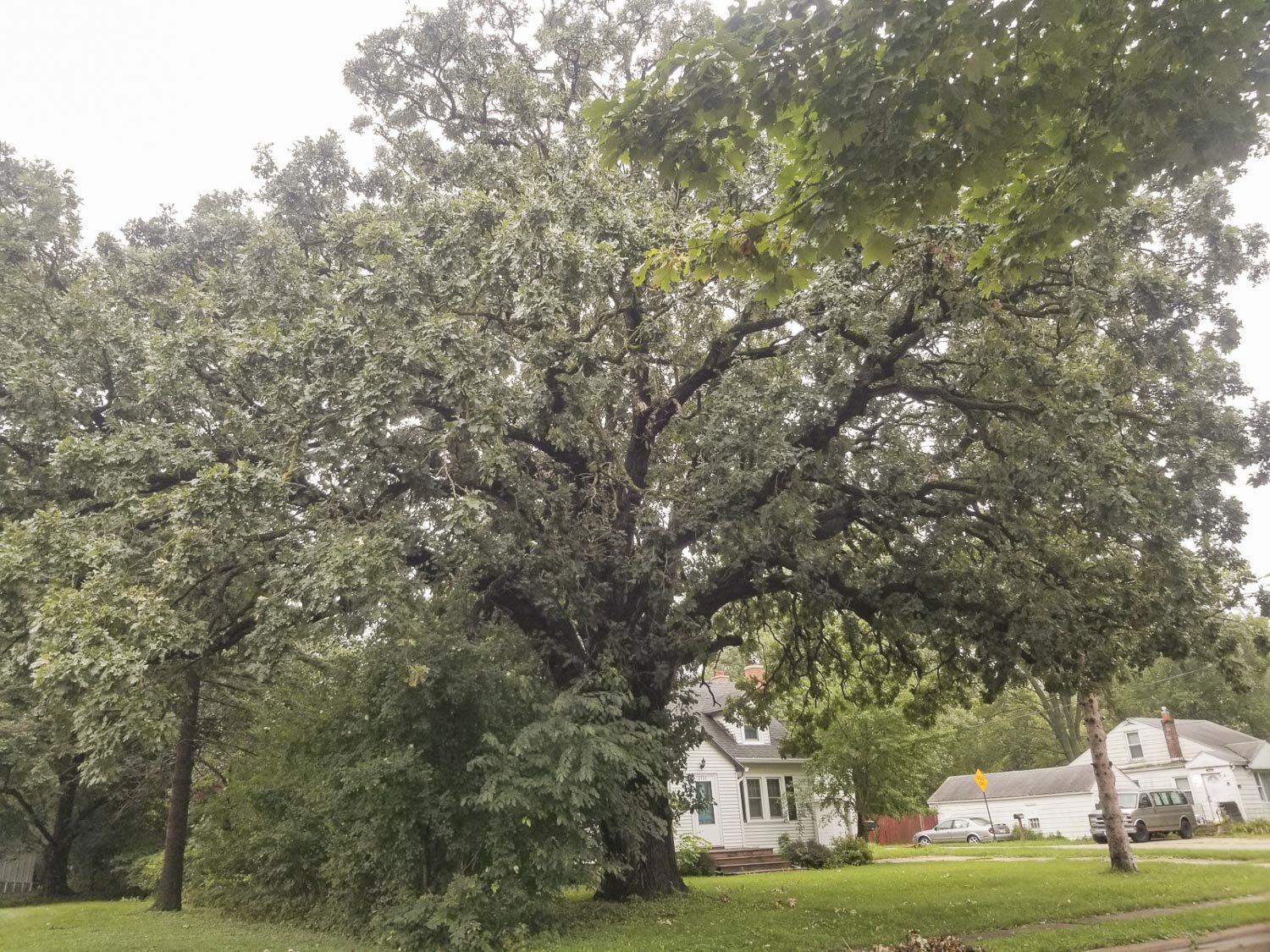
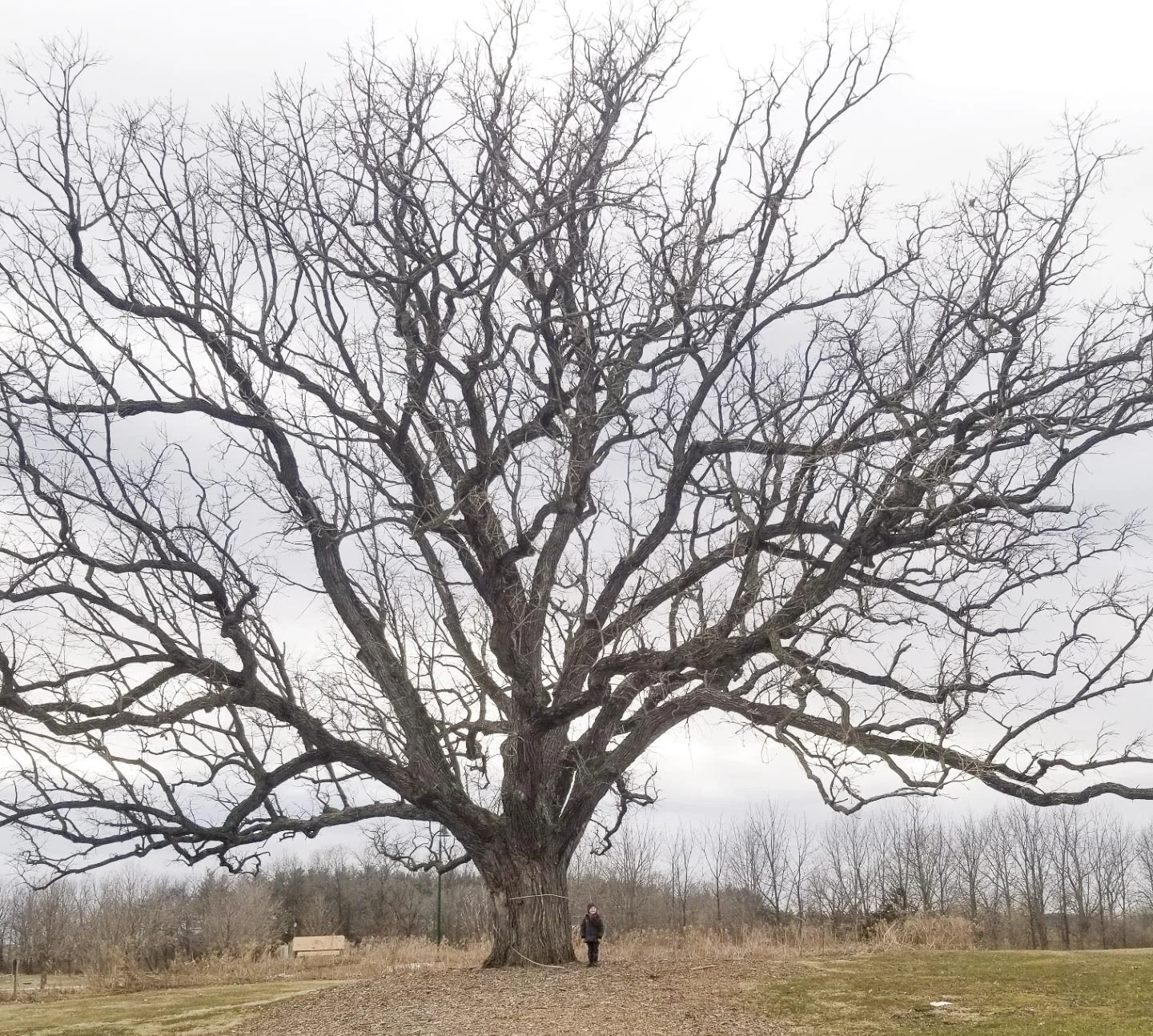
New Heritage Oak Seed Collection & Planting Efforts
In his 1976 article, Walter Scott gave these specific instructions “From the finest and best oaks wise persons will secure acorns for planting.” Matt Noone of CARPC, and his son, Winston, took these words to heart 46 years later, collecting thousands of acorns from Heritage Oaks. Saplings from these acorns have spread throughout Dane County and beyond, thanks in large part to two programs.
Heritage Oak Tree Nurseries at Madison Area Schools
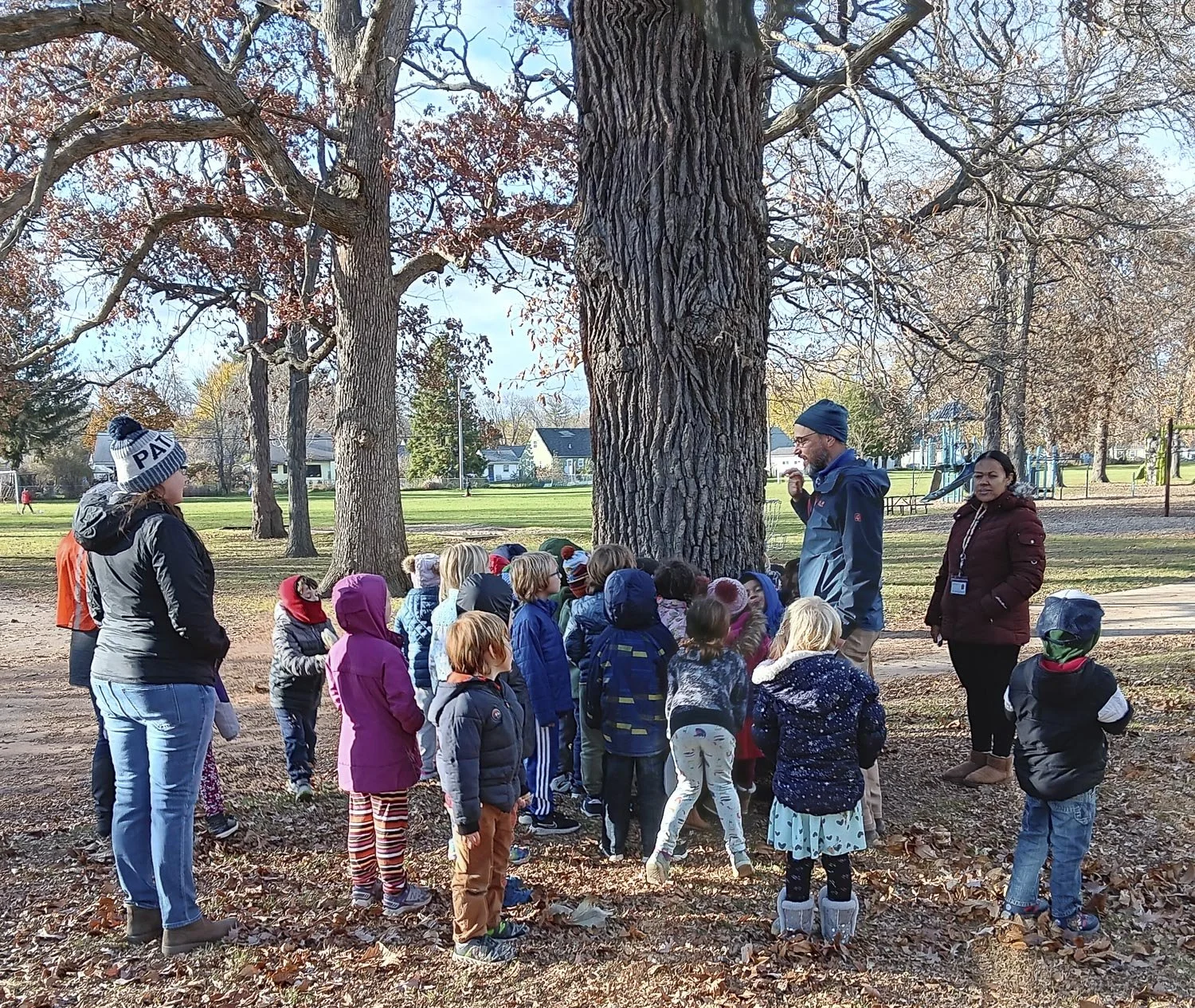
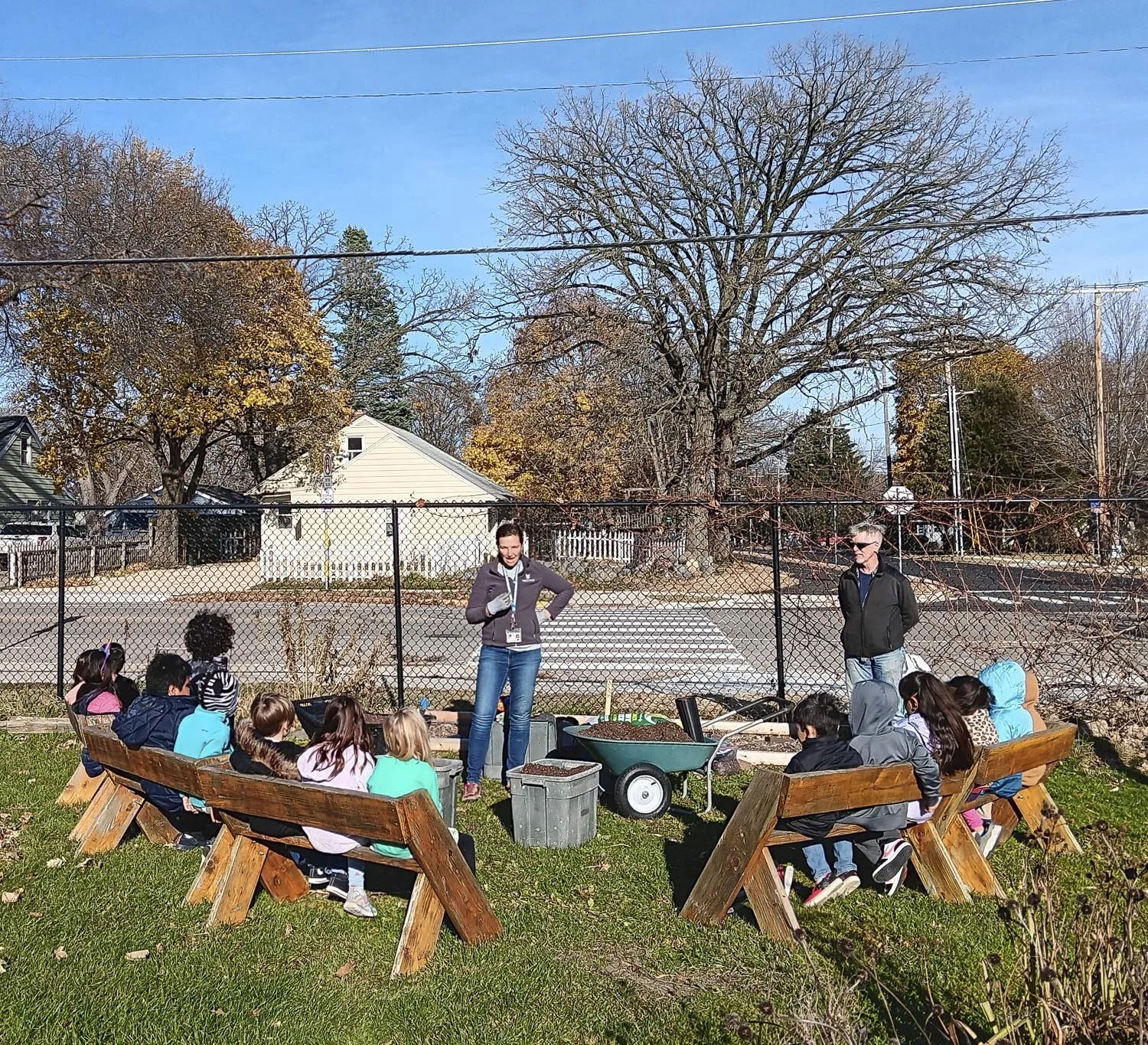
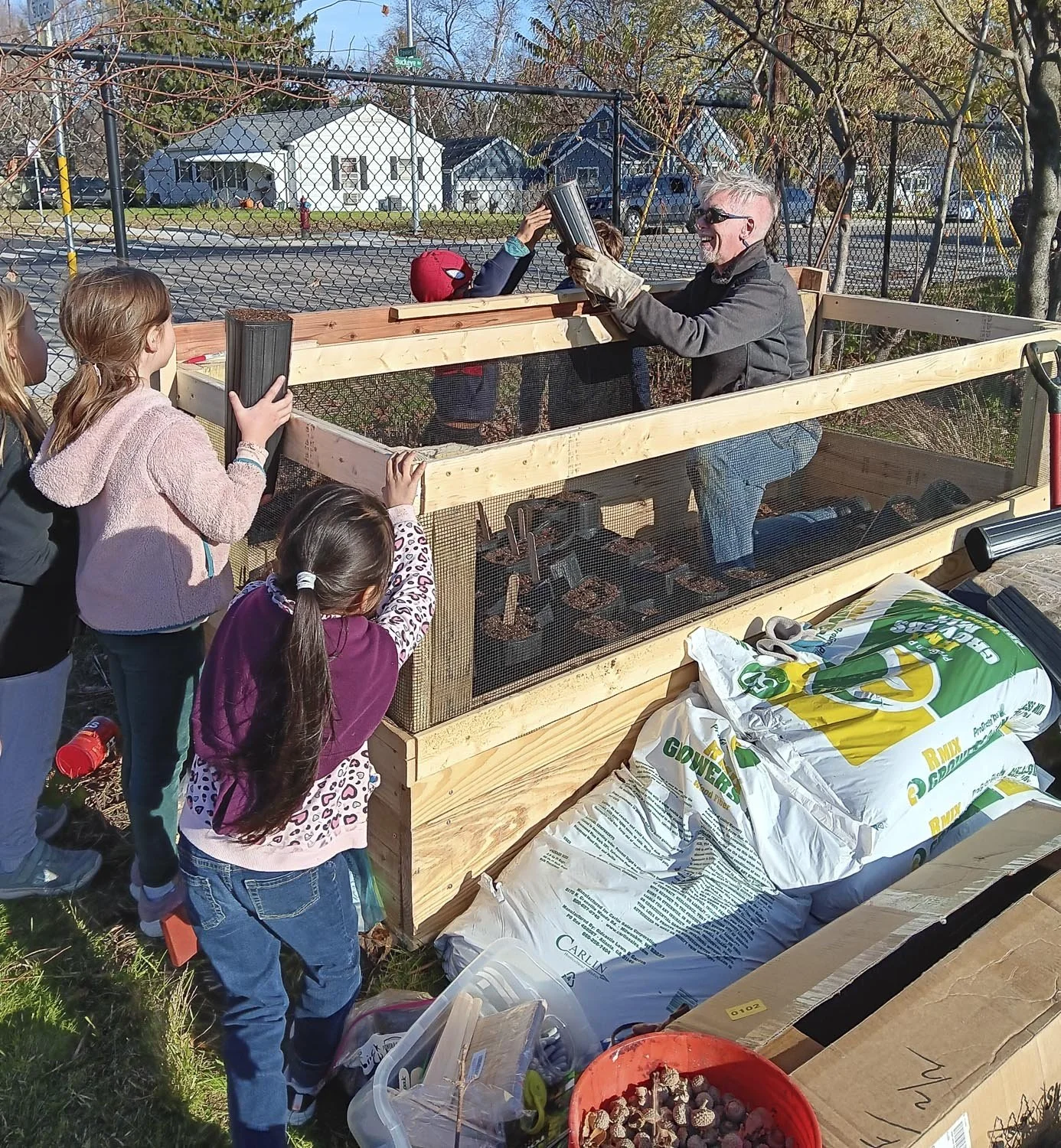
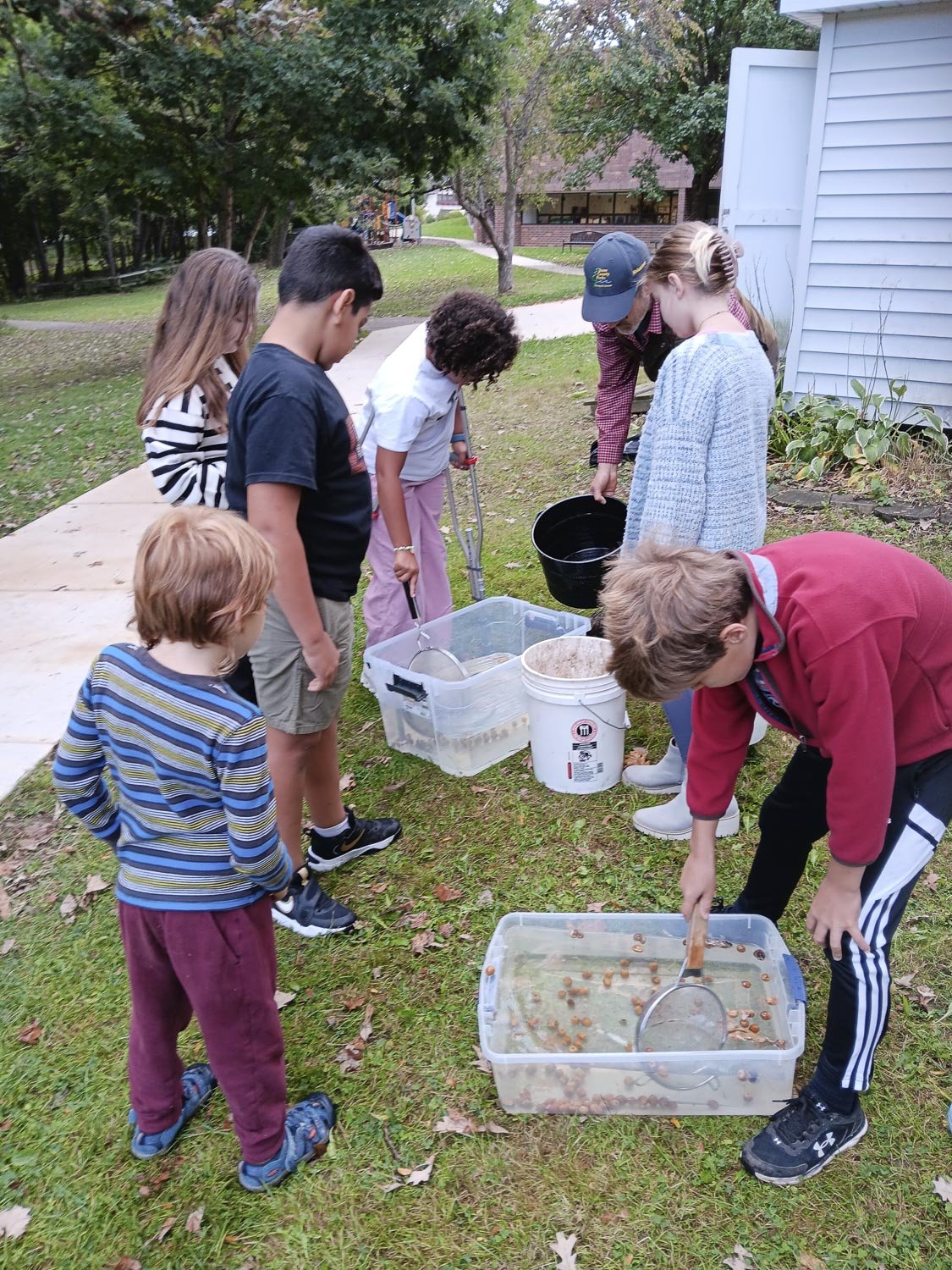
The first, smaller scale program has seen Matt and Winston collaborate directly with several Madison-area schools to enhance environmental curriculum with the establishment of small school nurseries.
Heritage Oak Trees at the DNR’s State Tree Nursery in Boscobel
The second, larger scale program, has seen Matt and Winston’s acorns planted at the DNR’s Wilson State Nursery in Boscobel. Over 10,000 Heritage Bur Oak and 10,000 Heritage Red Oak Seedlings have been grown in the state nursery fields! These saplings have been made available through school programs, Earth Day and Arbor Day events and here at Heartwood Tree Company, among others.
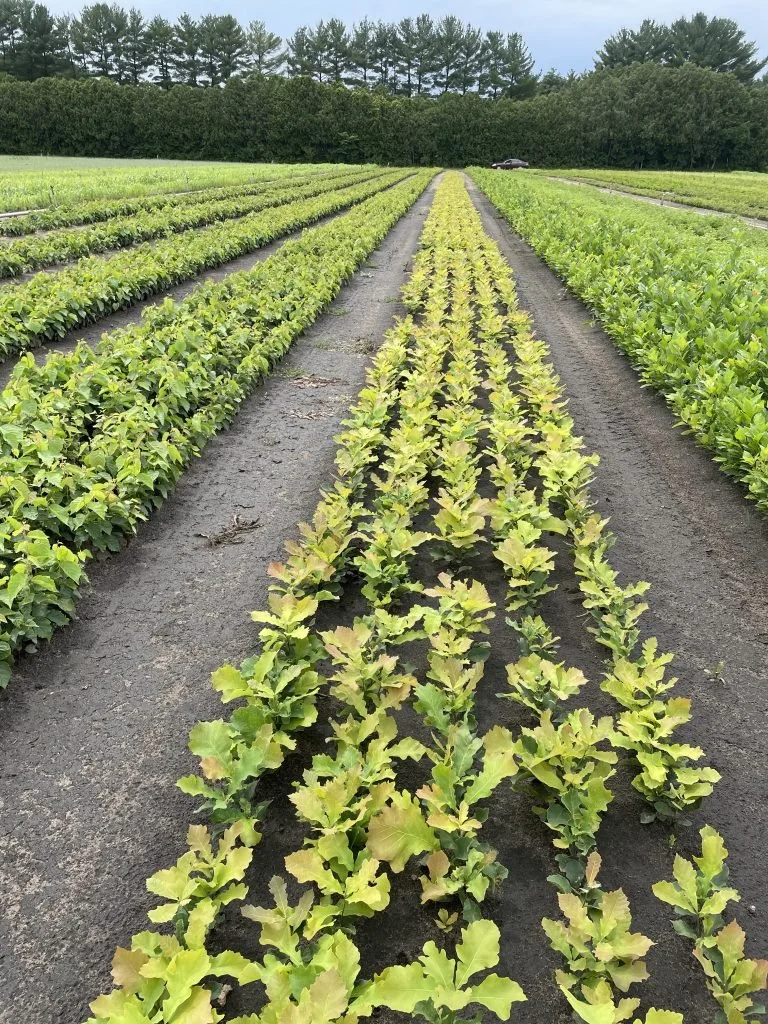
Heritage oak saplings at the Boscobel DNR nursery. Photo: Matt Noone
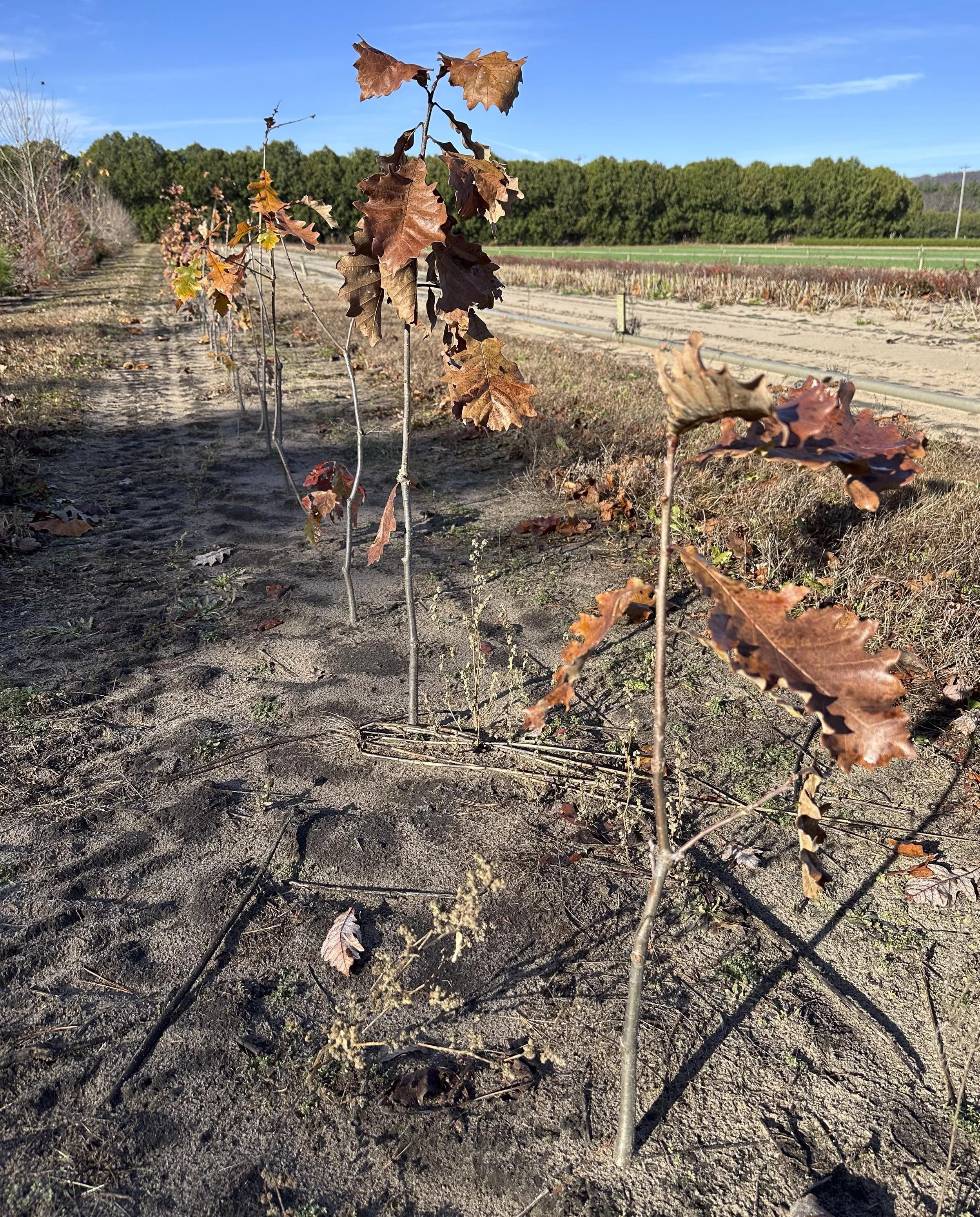
Larger Heritage Oak trees photographed in November at Boscobel.
How Dane County Residents Can Support Heritage Oaks
What can we do today, to meet the challenge Walter Scott issued, and help preserve these living links to the past, for the next 25 years and beyond?
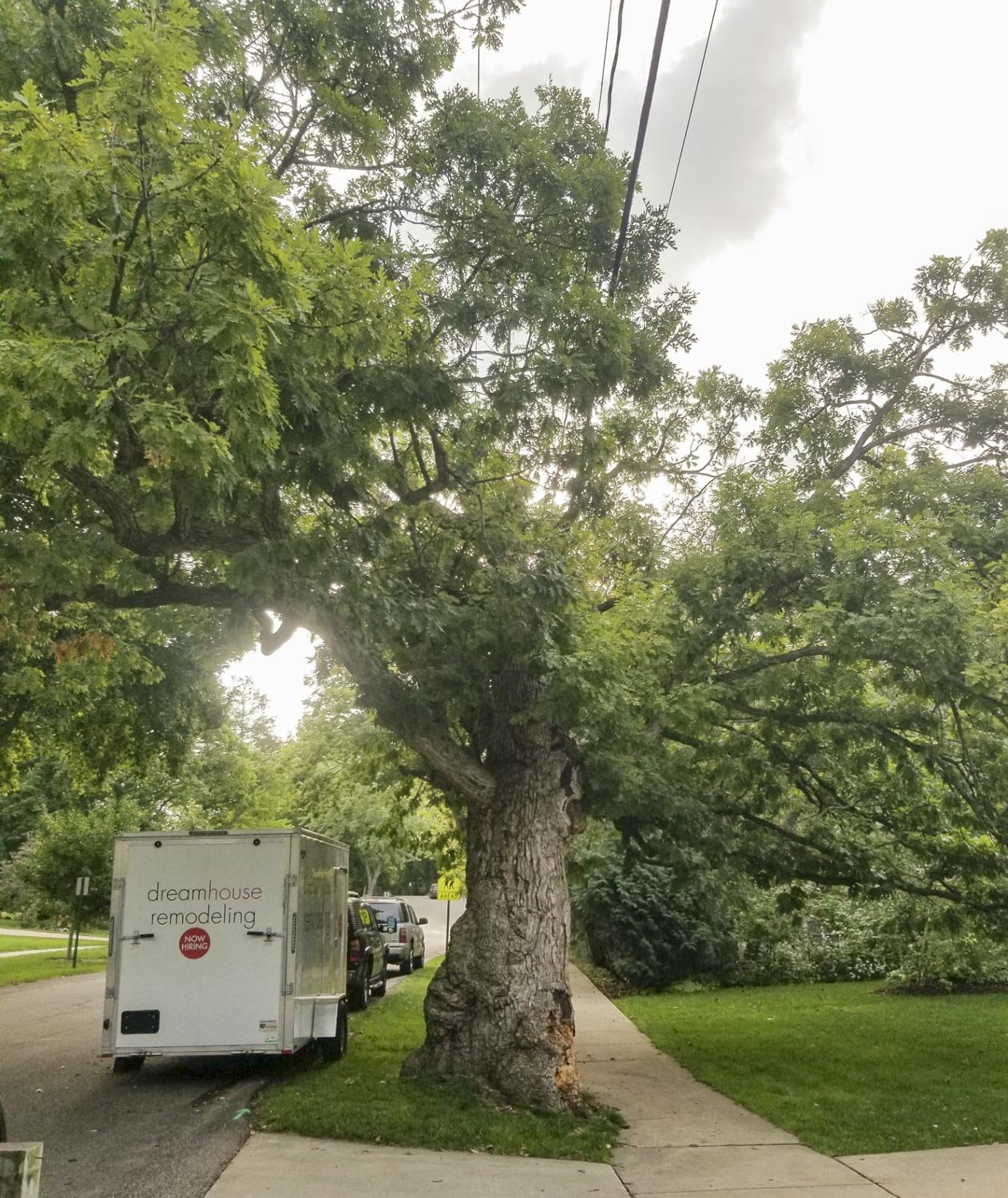
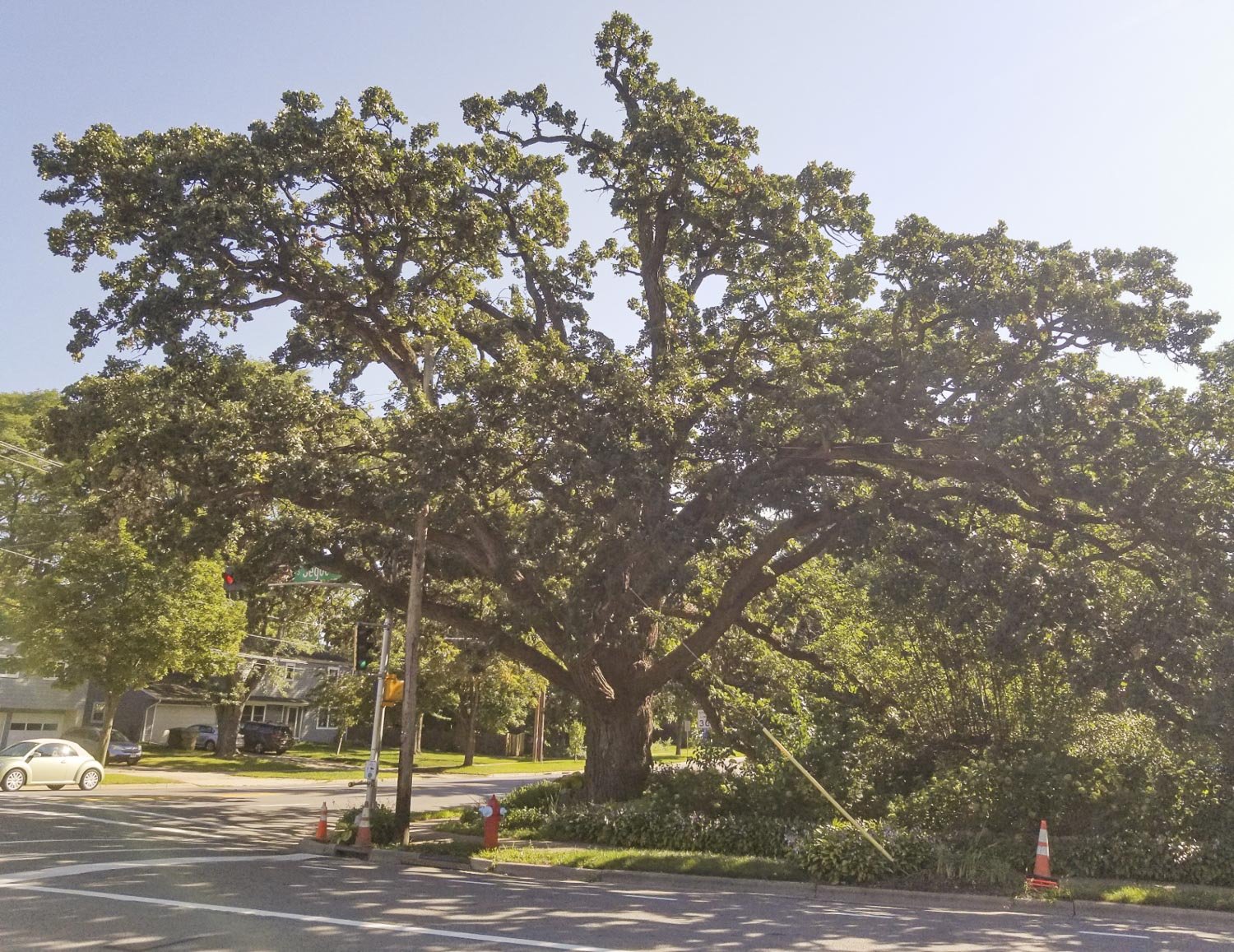
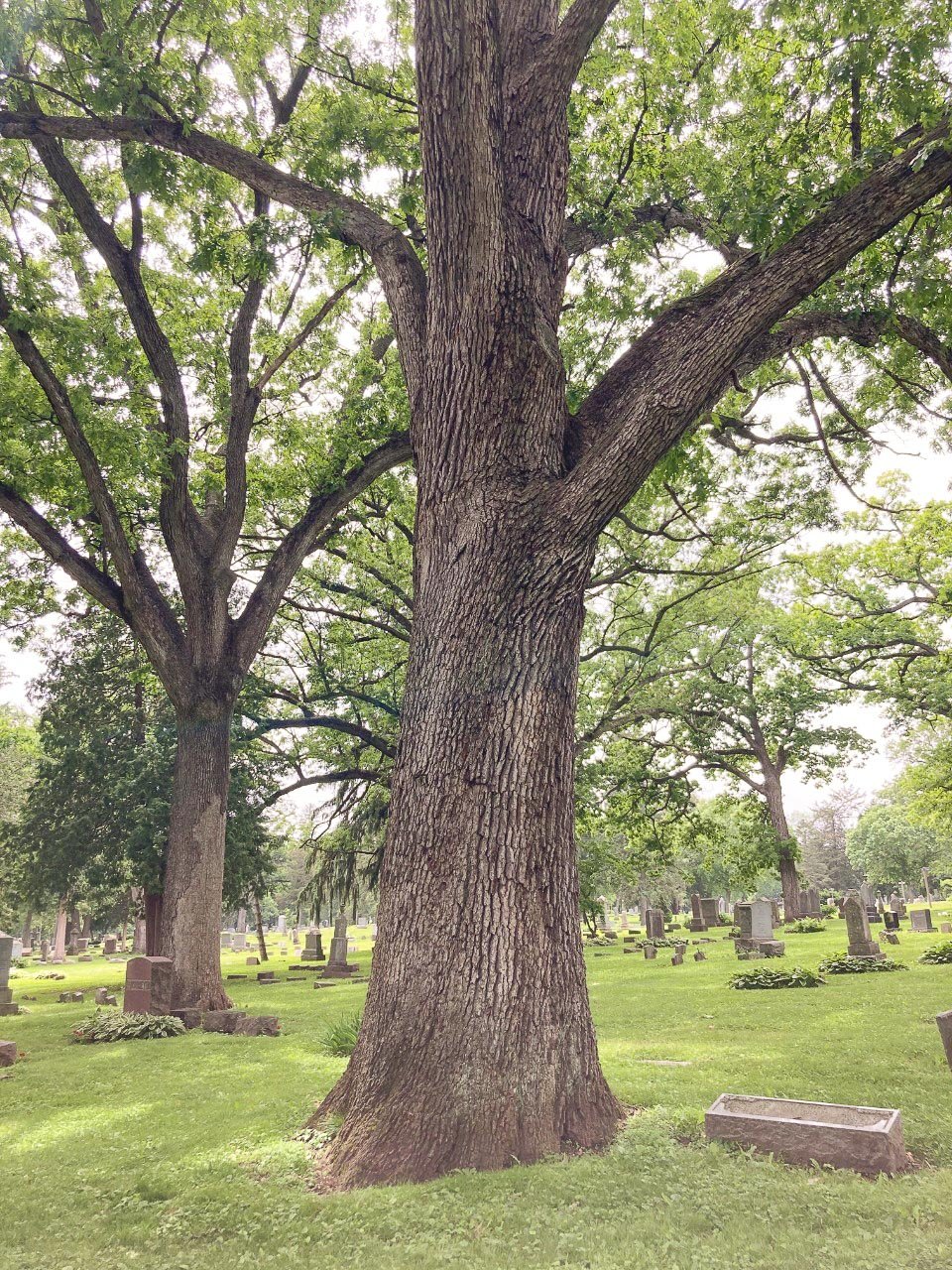
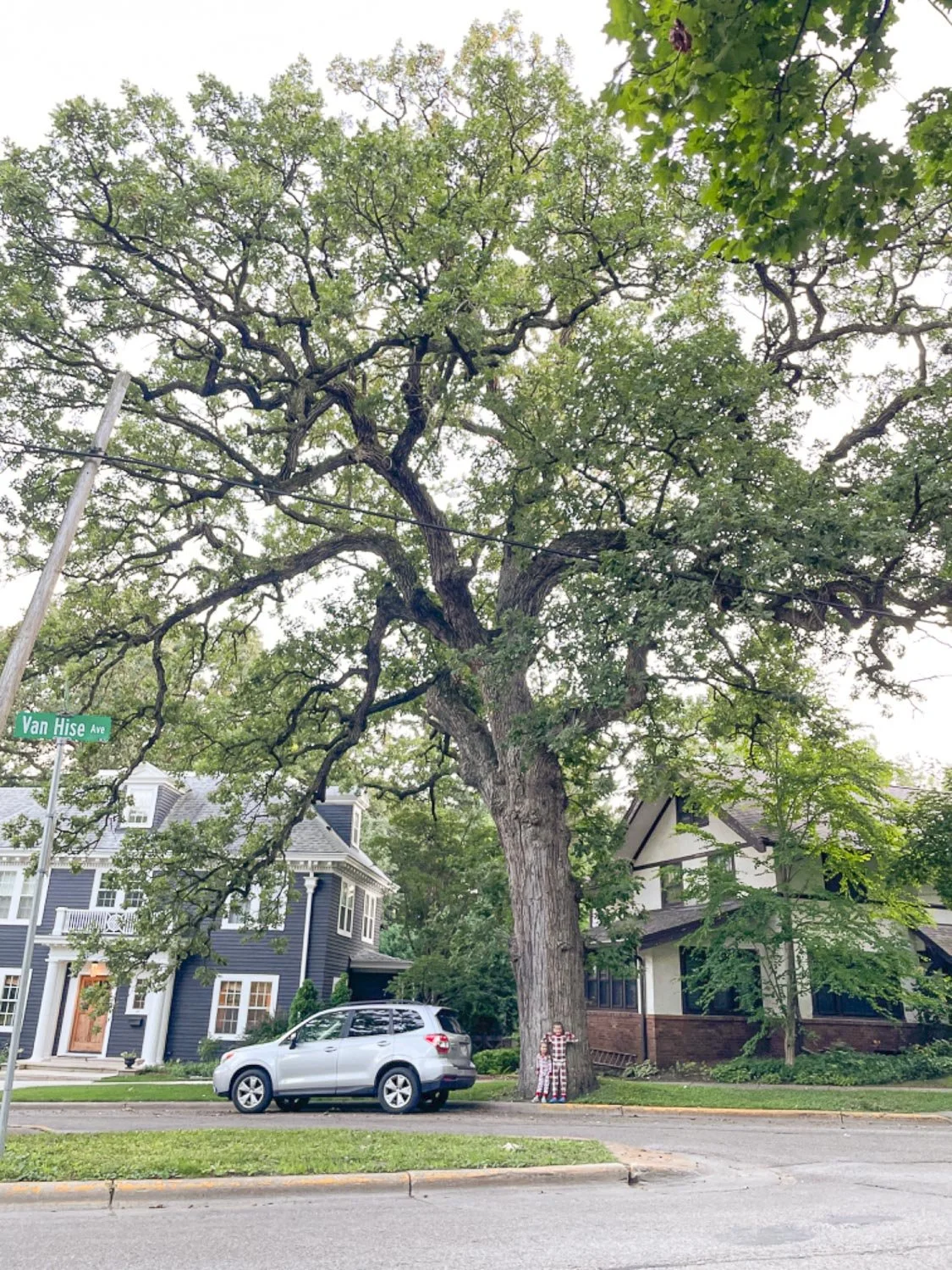
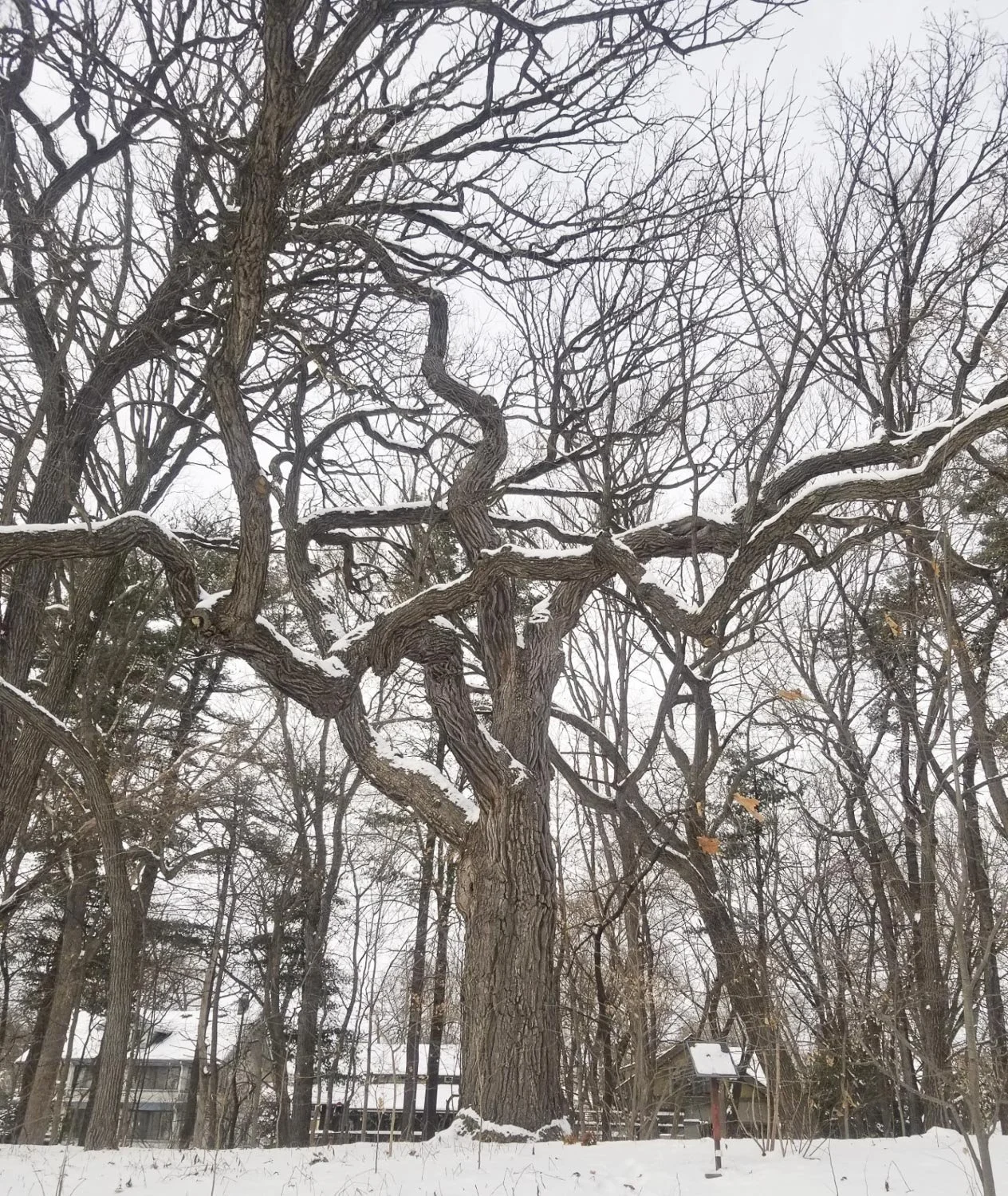
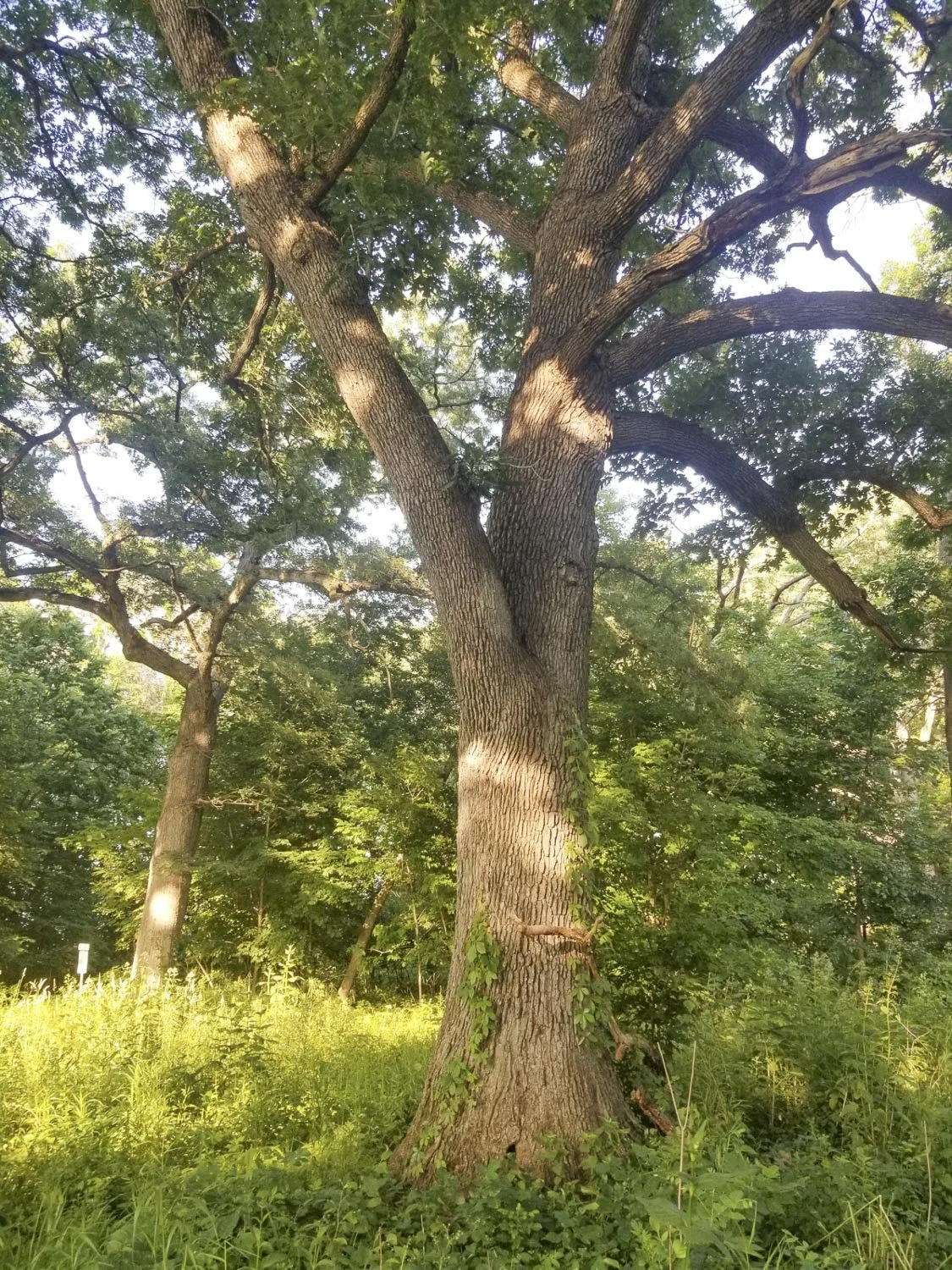
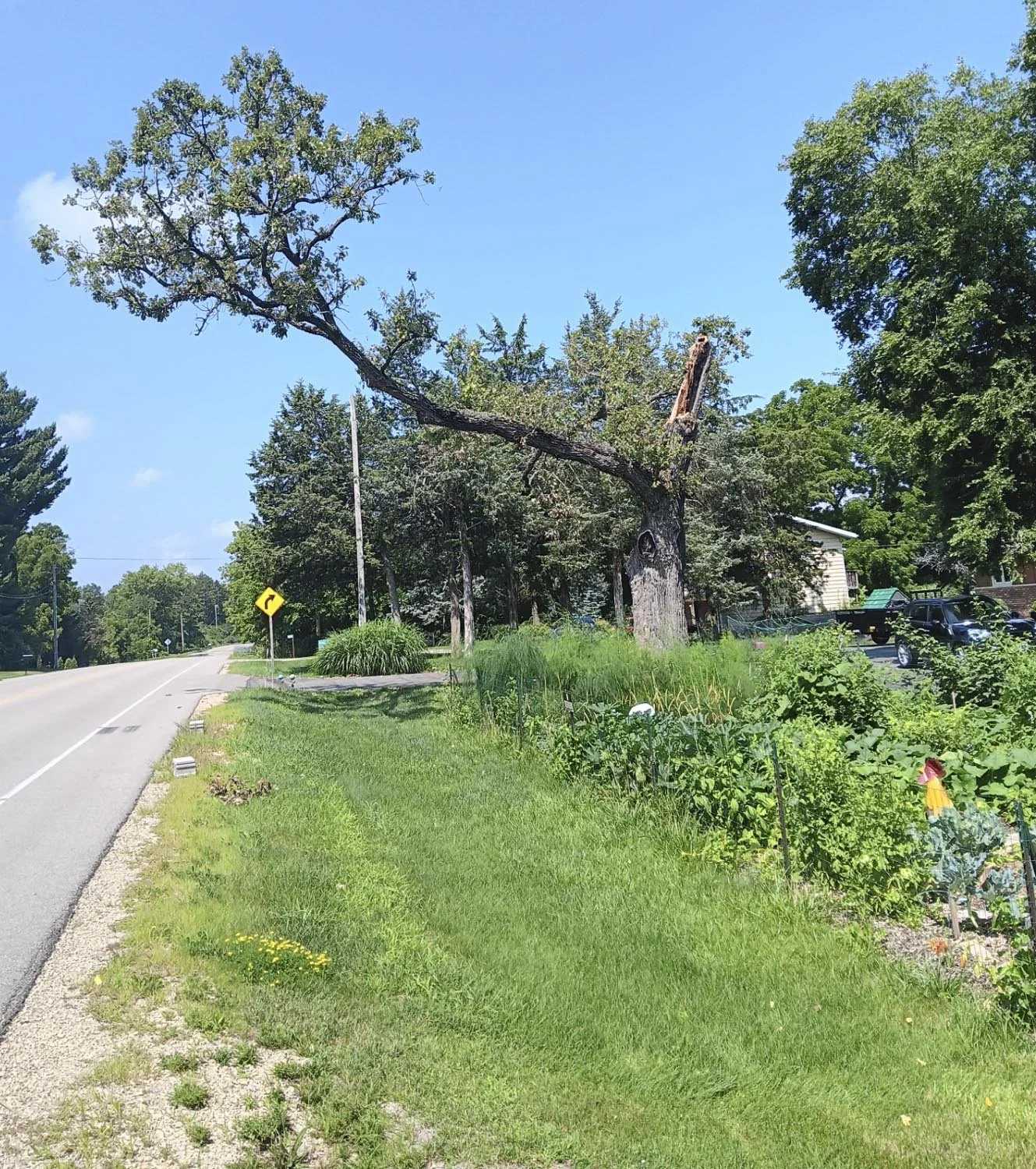
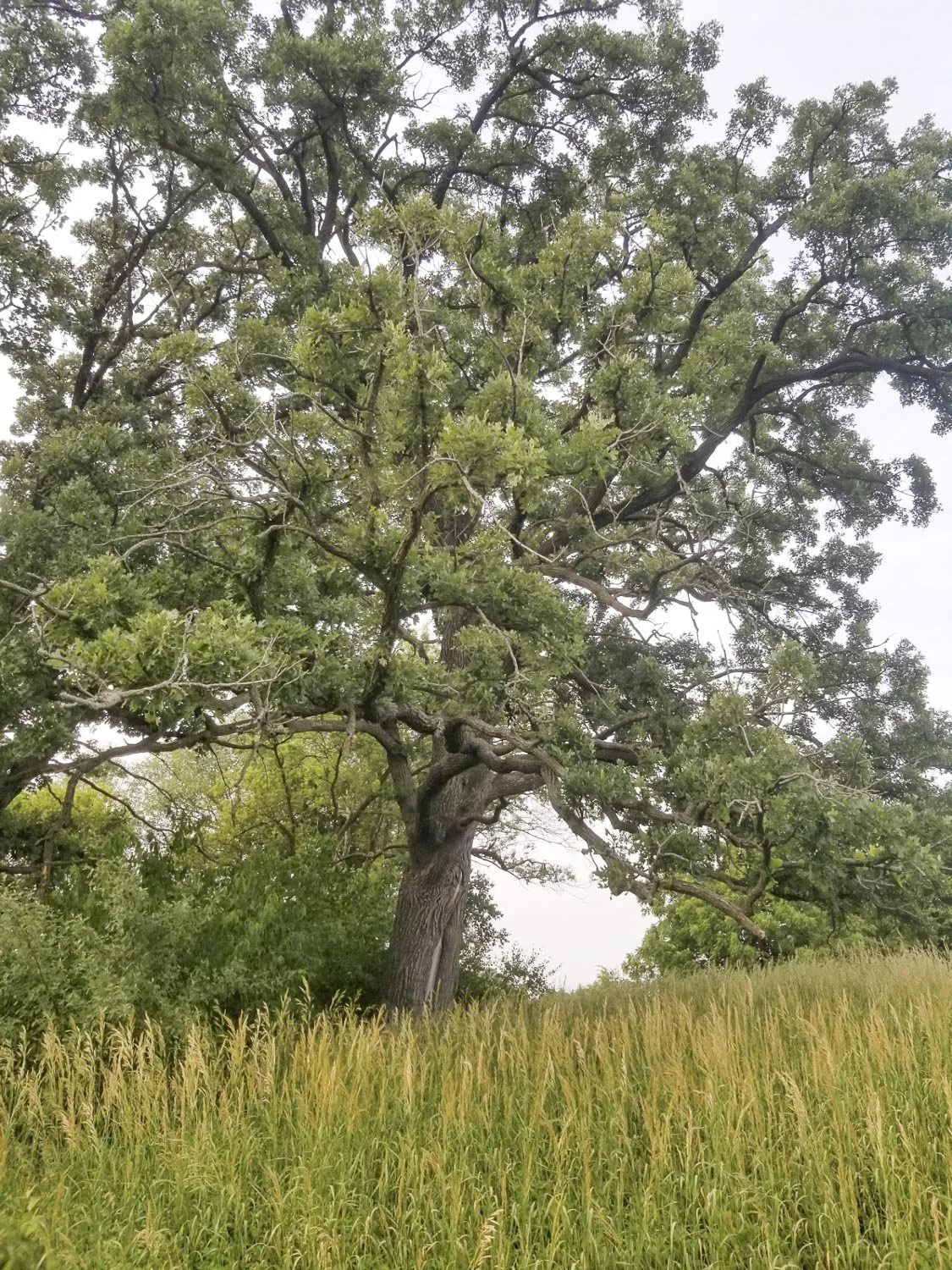
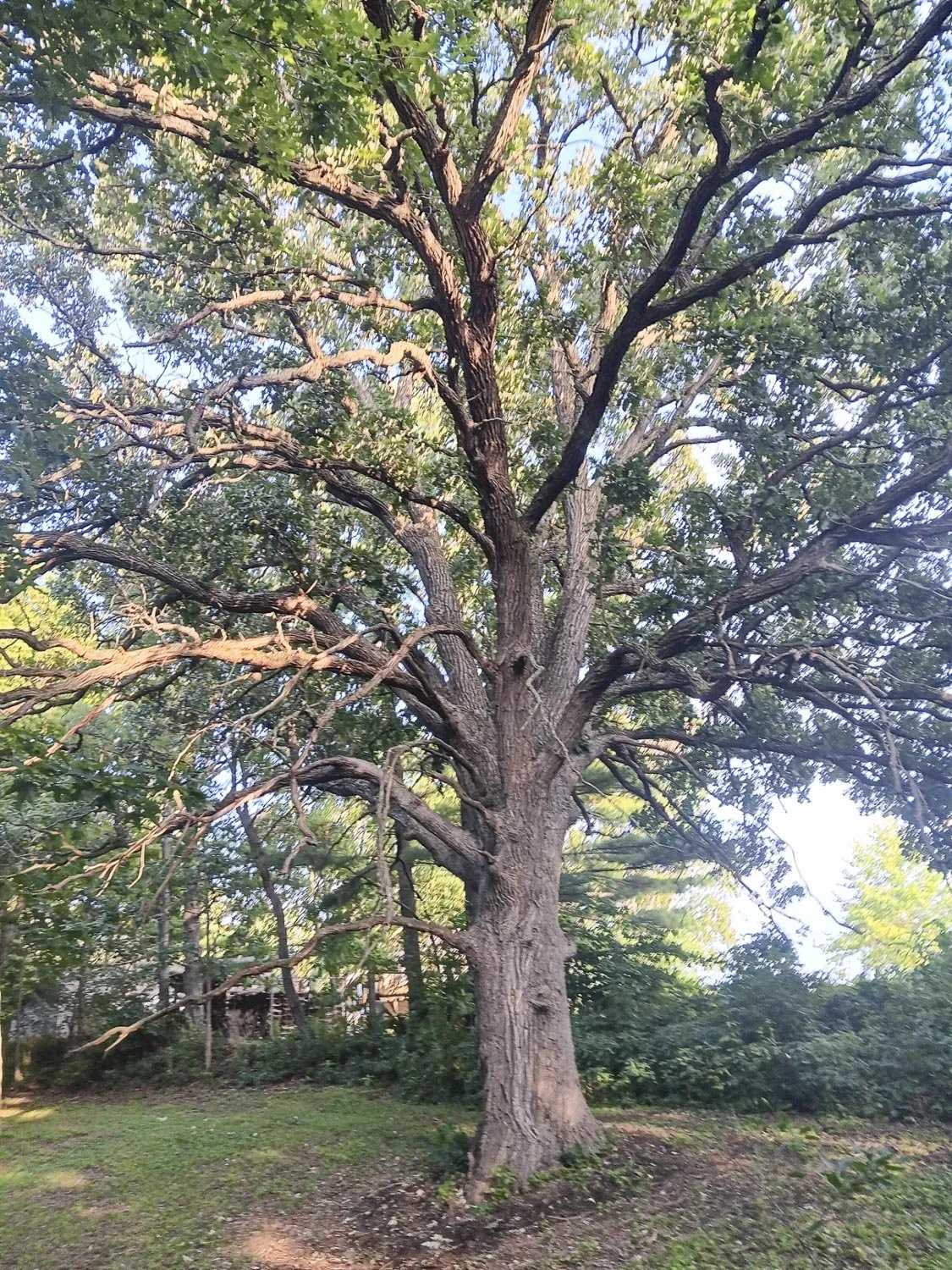
Visit the interactive Heritage Oak Map that allows anyone to add a public or private oak tree that they think is over 250 years old. The Heritage Oak image gallery above is just a sample of the oaks visually collected on the project website. Add your own contributions!
Puchase Heritage Oak trees, plant them, and to the Heritage Oak Progeny Map.
Visit the Remarkable Tree Project website and add a Remarkable Tree of your own to the map!
Care for our trees. If a historic heritage oaks lives on your property, take good care of it; a local arborist can help. If you know of a heritage oak on a piece of public property, make sure the property stewards consider it in their plans, and advocate for its care.
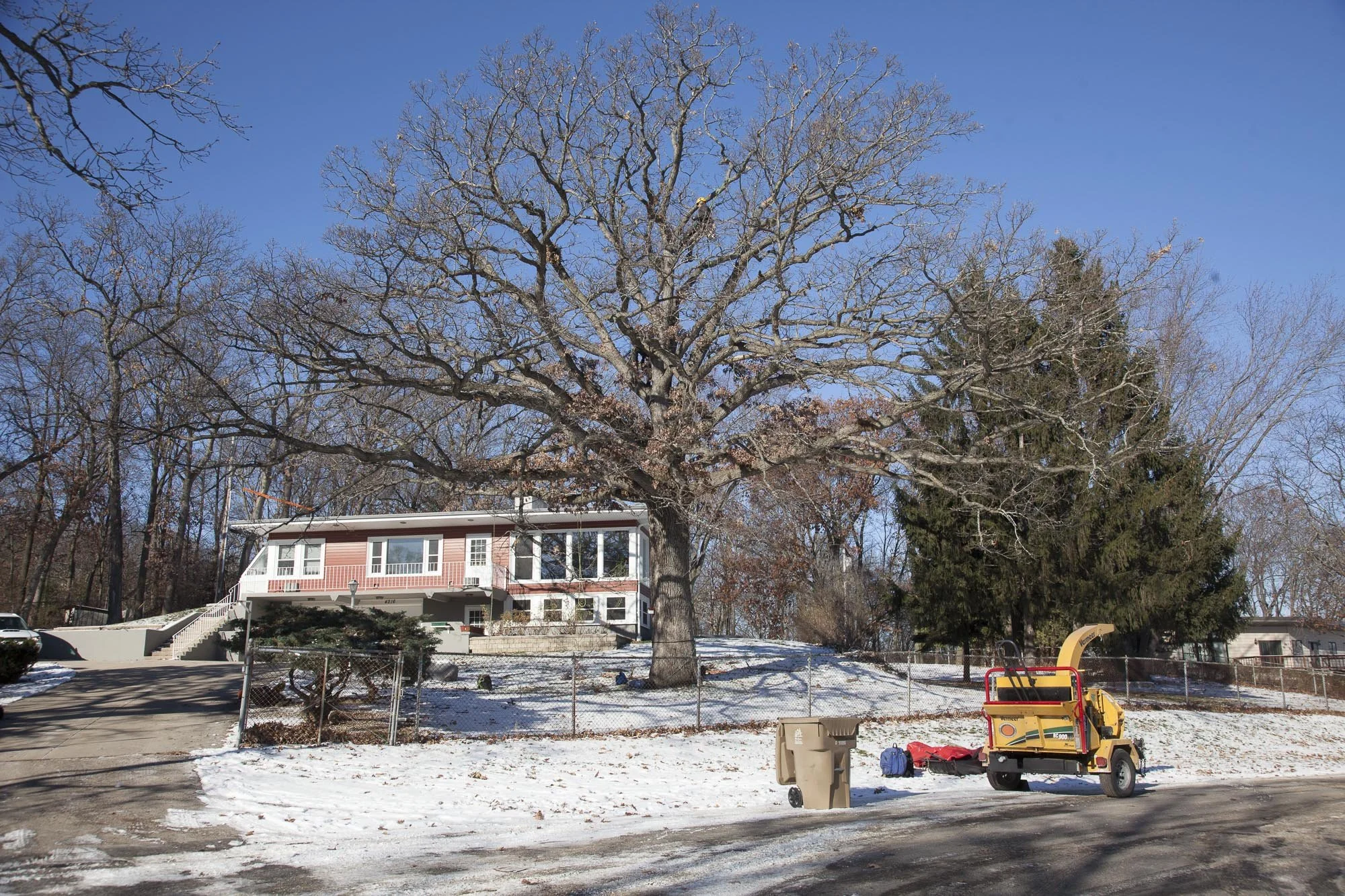
Our very favorite pruning projects take us to big, majestic oaks during the winter months! We appreciate private and public clients who value these old trees.
Shout out to Mike Hasinoff of the State Cartographer’s Office for his work on this project and blog post!