
Have you ever heard the saying “Plant corn when oak leaves are the size of a squirrel’s ear” or “Plant potatoes when the first dandelions bloom”? If so, you’re familiar with a traditional, practical application of phenology. A wise gardener or farmer doesn’t toss heat-loving plant seeds into the ground on the first warm, sunny day. Weather doesn’t obediently follow the calendar; it’s unpredicatable, sometimes chaotic. One strategy is to just take the historical average. That’s better, but again, the fluctuations will deceive us. If you were planning to go ice fishing on Lake Mendota in the winter of 2001-02, it wasn’t much use to know that it was frozen for 115 days the previous winter, or an average of 72 days the previous five years. There were only 21 days with ice at all that winter!
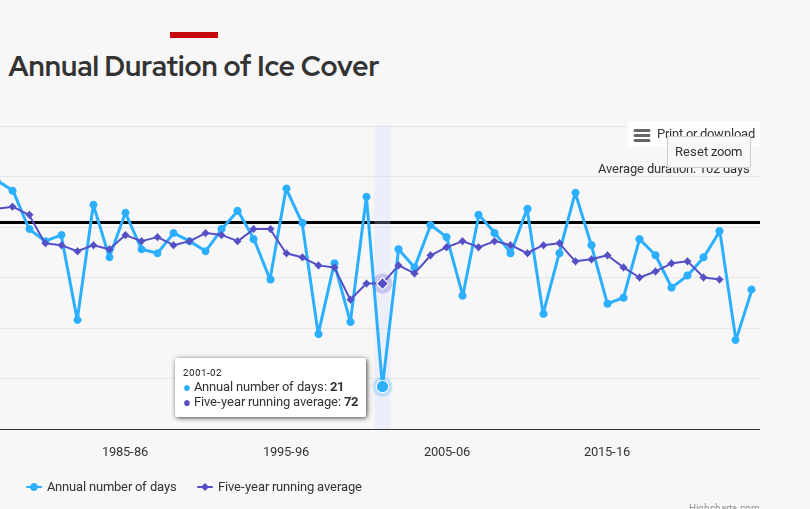
By paying attention to events that are intrinsically coupled to climate, we can better understand the arc of climate and not be too distracted by the fluctuations of weather. Besides having a more successful garden, you could even help the study of climate change! It might be easier than it seems.
Phenology is the science of observing the seasonal changes in plants, birds, insects, and animals and recording when these changes happen. Each seasonal change is called a phenophase. Scientists use phenology observations to understand and track climate change.

National Phenology Network
NPN is an initiative that provides tools for citizen scientists to track phenology data across the United States for scientists to use in their research.
For example, one NPN project is called Quercus Quest (Quercus is the scientific name of oak trees). To help with this project, citizen scientists use the handy Nature’s Notebook website or app to record the phenophases for an oak tree of their choice. Some phenophases you may observe include spring bud break, flowering (catkins), fruit (acorn) development, and autumn leaf color changes.
How to participate
Suppose you have a bur oak tree in your back yard. The Nature’s Notebook app would give you the phenophases of a bur oak. What you would do is enter whether that phenophase is happening on the day you do your monitoring. This is a fun way to get involved with following the changes of the seasons. The whole family can participate!
First, Join Nature’s Notebook. Then, select one or more oak tree species you want to follow. If you need help identifying, they provide access to a resource from the US Forest Service. Finally, take and report your observations. You can earn the Quercus Quest Badge while supporting phenology research from your own backyard!
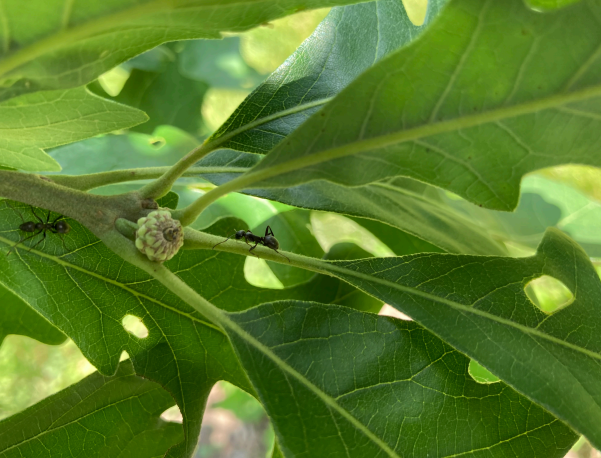
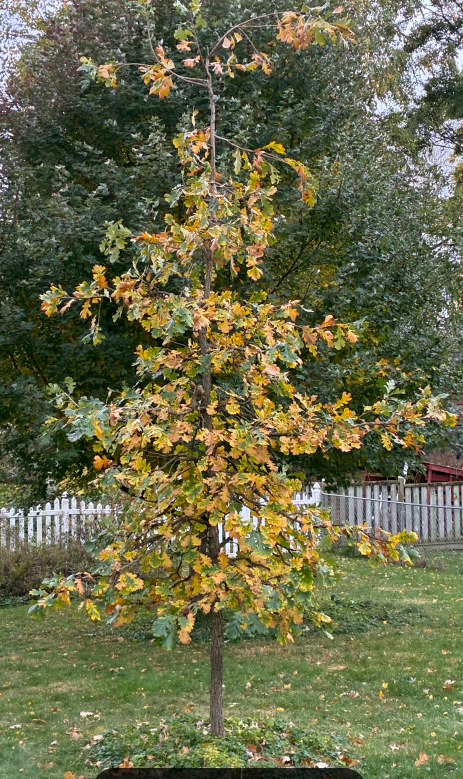
Special thanks to Susan Archer, Heartwood client and citizen scientist, for Quercus Quest content and photos!